Dental Implants in Turkey: A Patient Checklist
Planning dental implants in Turkey? Use this checklist to compare clinics: the scans to share, the questions to ask about your plan, a realistic timeline, what a quote should include and how aftercare works once you are home.
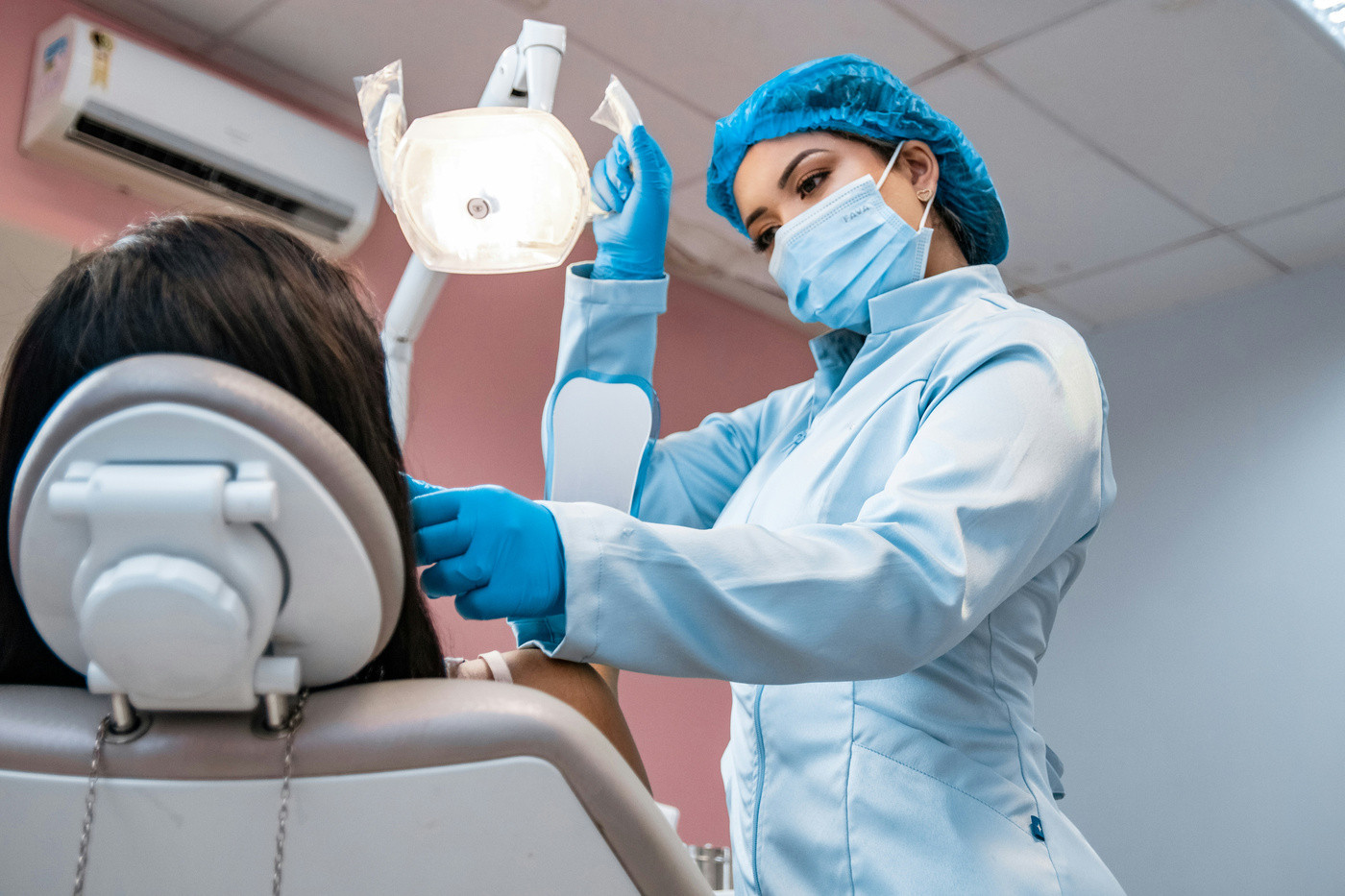
Dental implants are one of the most common reasons UK patients consider treatment in Turkey. Clinics in Istanbul and Antalya see international patients every day, but materials, planning and aftercare vary from one clinic to the next. The questions you ask before you book matter more than the first price you see.
This checklist is for patients comparing clinics or quotes. Work through it before you pay a deposit or book flights, and keep the answers in one place so you can compare like for like.
1. Share the right records before anyone quotes
A reliable implant plan starts with your bone, gums and medical history. No clinic can plan accurately from a single smile photo.
- A recent X-ray or 3D scan. A panoramic X-ray (OPG) is a good start. A CBCT scan shows bone height and width and the position of nerves and sinuses. If your UK dentist has taken one recently, send it.
- Clear photos of your teeth from the front and both sides, with your lips pulled back.
- Your medical history. Mention diabetes, heart conditions, smoking, gum disease, blood thinners and any medication for bone density, such as bisphosphonates. These can change the plan or the healing time.
Treat any quote made without an X-ray as an estimate. Ask the clinic to confirm the final plan in writing after your in-person examination.
2. Questions to ask about your treatment plan
- How many implants, and why? Ask what each implant will support: a single crown, a bridge or a full arch.
- What are the alternatives? A bridge, a denture or a full-arch option such as All-on-4 or All-on-6 may suit you better. A good dentist explains the trade-offs.
- Will I need bone grafting or a sinus lift? Both add cost and can add several months of healing. Ask how likely they are in your case.
- Which implant brand and system? Ask for the brand, for example Straumann or Neodent. Ask for an implant card that lists the brand and size, so a UK dentist can source compatible parts later.
- What will the final teeth be made of? Zirconia, e.max and porcelain fused to metal look and wear differently. Check what the temporary teeth are made of too.
- Who will treat me? Ask for the name and qualifications of the dentist who will place the implants and of the one who will fit the final teeth.
3. Understand the timeline and the number of trips
Most implant treatment happens in stages, because each implant needs time to fuse with the jawbone. A typical plan looks like this, although your dentist will set your own timeline.
- First trip, about 5 to 7 days. Examination, scans, implant placement, and temporary teeth if they are part of your plan.
- Healing at home, usually 3 to 6 months. You return to normal life while the implants settle. Grafting can extend this.
- Second trip, about 5 to 7 days. The final crowns or bridge are made and fitted, and your bite is checked.
Full-arch treatments such as All-on-4 often include fixed temporary teeth on the first trip, with the final set fitted after healing. If a plan offers final implant teeth in one short trip, ask the dentist to explain why that suits your case.
4. Check what the quote includes
Prices are only comparable when you know what each one covers. Ask for an itemised quote in pounds sterling that lists:
- consultation, X-rays and CBCT scan
- each implant, abutment and crown, or the full-arch bridge
- temporary teeth
- bone grafting or a sinus lift, if they might be needed
- medication and check-ups during your stay
- airport and clinic transfers, and hotel nights if it is a package
Also ask about the deposit, when the balance is due, what happens if the plan changes after your examination, and the refund terms if you cannot travel.
5. Plan your travel and recovery
- Do not fly on the day of surgery. Ask your surgeon when it is safe to fly. Many advise waiting at least a day or two after implant surgery, and longer after a sinus lift.
- Expect some swelling and tenderness for a few days. Plan a quiet first day and soft food.
- Avoid smoking and alcohol while you heal, as both can slow healing down.
- Bring your medication list and tell the clinic about any change since your assessment.
6. Agree aftercare before you travel
Aftercare is where clinics differ most, and it matters once you are back in the UK.
- Ask for a written aftercare plan and the clinic's warranty terms. Check what they cover and what you need to do to keep them valid.
- Ask who to contact if something feels wrong at home, and whether the clinic can review photos or X-rays remotely.
- Ask what happens if a crown loosens or an implant needs attention, and who pays for the treatment and the travel.
- Keep your implant card, X-rays and treatment notes. Your UK dentist will need them for check-ups and hygiene visits.
7. Warning signs
- A fixed price for complex treatment with no X-ray or scan.
- Pressure to pay a deposit or decide on the same day.
- No named dentist, or no clear answer about the implant brand.
- A "lifetime guarantee" with no written terms.
- Far more crowns or implants than your UK dentist suggested, with no clear reason.
Your checklist at a glance
- I have shared an X-ray or CBCT scan, photos and my medical history.
- I know how many implants I need, and why.
- I know the implant brand, and I will receive an implant card.
- I know what my final teeth will be made of.
- I know the name of the dentist who will treat me.
- I understand how many trips I need and how long healing takes.
- My quote is itemised in GBP and shows what is not included.
- I know the deposit, payment and refund terms.
- I have the aftercare plan and warranty terms in writing.
- I know who to contact once I am back in the UK.
How Medvop can help
Medvop is a health tourism intermediary based in Istanbul. We hold an International Health Tourism Authorisation Certificate (AK-1548) and are a TÜRSAB Class A travel agency. We are not a clinic: treatment is provided by independent partner clinics in Istanbul and Antalya, and every treatment decision is made by the treating dentist.
We can help you work through this checklist. Send us your X-rays and photos, and we will share them with suitable partner clinics, collect itemised quotes in GBP, and arrange transfers and accommodation if you need them. Your quote is free and carries no obligation.
Get a free dental implant quote or see all treatment packages and prices.
Frequently asked questions
How long do dental implants take in Turkey?
Most patients need two trips of about a week each, with 3 to 6 months of healing at home in between. Bone grafting or a sinus lift can add time. Your dentist confirms the timeline after examining you.
Can I have implants if I smoke or have diabetes?
Often yes, but both can slow healing and raise the risk of problems. Tell the clinic at the start, so the dentist can assess you properly and plan around it.
Is the price fixed once I accept a quote?
A quote made from your records is an estimate. The final plan and price are confirmed after your in-person examination and scans. Ask the clinic to explain in writing what could change the price.
What should I bring home with me?
Your implant card, copies of your X-rays and scans, your treatment notes and the written aftercare plan. Your UK dentist will need them for future check-ups.
